🐾 The Ultimate Guide to Cat Food: Choosing the Best Nutrition for Your Feline
Cats may be independent, but when it comes to nutrition, they rely completely on us. The food you choose for your cat plays a huge role in their health, energy, and longevity. With so many options on the market—dry food, wet food, raw diets—it can be overwhelming for pet parents to decide what’s best.
In this blog, we’ll break down everything you need to know about cat food and how to make the right choice for your furry friend.
🥩 1. Understanding Your Cat’s Nutritional Needs
Cats are obligate carnivores, which means they need animal protein to survive. Unlike dogs, they can’t thrive on a plant-based diet.
-
Protein: Builds strong muscles and keeps energy levels high.
-
Taurine: An essential amino acid only found in animal tissue (crucial for heart and vision health).
-
Fats: Provide energy and help maintain a shiny coat.
-
Vitamins & Minerals: Support immunity and overall health.
-
Water: Hydration is key—especially since cats naturally drink less.
💡 Tip: Always check cat food labels for real meat as the first ingredient.
🥘 2. Types of Cat Food
🐾 Dry Cat Food (Kibble)
-
Convenient, affordable, and has a long shelf life.
-
Helps keep teeth clean (to some extent).
-
May lack moisture—so ensure your cat drinks enough water.

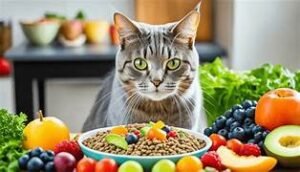
🐾 Wet Cat Food (Canned)
-
High in moisture—great for hydration.
-
More palatable and flavorful for picky eaters.
-
Usually more expensive than dry food.
🐾 Semi-Moist Food
-
Soft, chewy texture cats love.
-
Often used as treats rather than a full diet.
🐾 Raw & Homemade Diets
-
Mimic a cat’s natural prey-based diet.
-
Can be nutritious if balanced correctly.
-
Require careful preparation to avoid bacteria and nutrient deficiencies.
🍗 3. Special Diets for Cats
Sometimes cats need specialized food based on their health and age:
-
Kitten Food: High in protein and calories for growth.
-
Senior Cat Food: Lower in calories, higher in joint support nutrients.
-
Weight Management Food: Helps overweight cats slim down safely.
-
Prescription Diets: For cats with conditions like kidney disease, diabetes, or allergies.
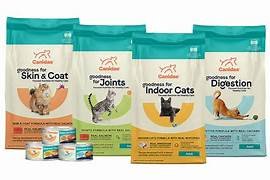
🐟 4. Common Cat Food Ingredients to Avoid
Not all ingredients are safe or healthy for cats.
-
Too many fillers (corn, wheat, soy).
-
Artificial colors, flavors, and preservatives.
-
Excessive carbohydrates.
-
Onions, garlic, chocolate, and grapes (toxic to cats).
🥩 5. Homemade Treats & Feeding Tips
-
Cooked chicken, fish, or turkey (without seasoning) can be a healthy snack.
-
Always introduce new food gradually to avoid stomach upset.
-
Fresh water should be available at all times.
🌟 Final Thoughts
Feeding your cat isn’t just about filling a bowl—it’s about providing the right nutrition for a long, healthy life. Whether you choose dry, wet, or raw food, always prioritize quality, protein-rich options that meet your cat’s unique needs.
👉 Remember: Every cat is different. The best food for your pet depends on their age, health, and lifestyle. When in doubt, consult your vet for personalized advice.